
LINE Fan Purchase Recommendation: High-Quality Fan Sources for Building an Engaging Community, Fan Buying Method: Precision Traffic-Driving Secrets to Overcome Marketing Bottlenecks
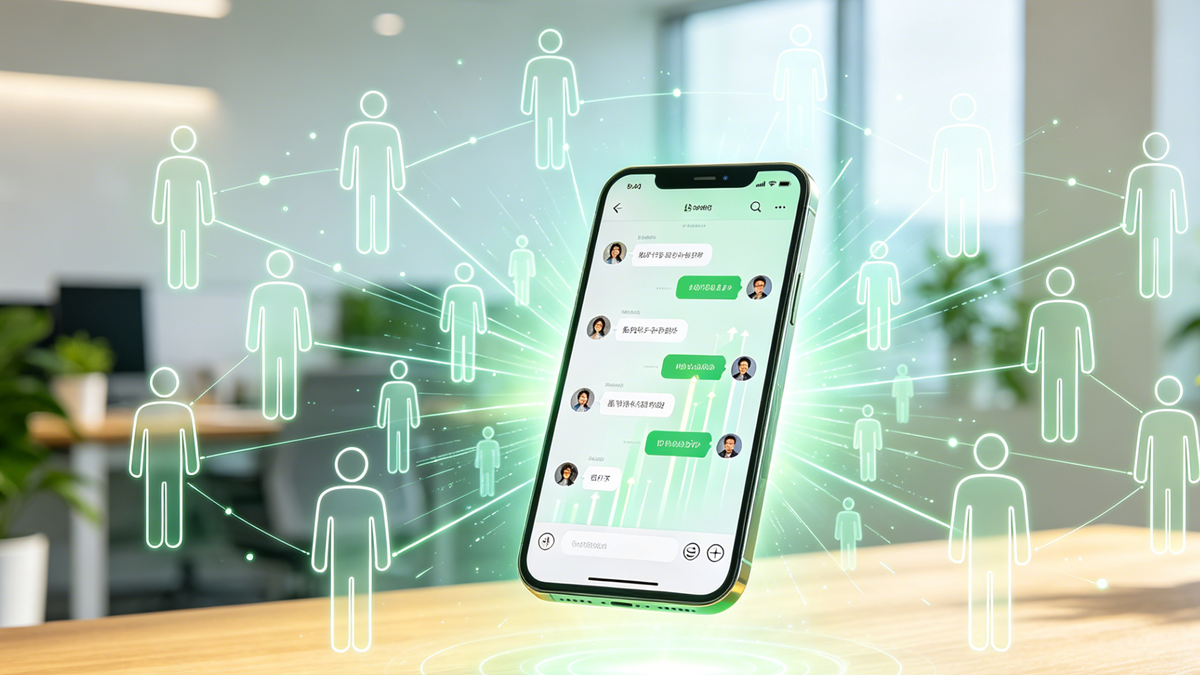
In the fiercely competitive digital marketing landscape, LINE, as the instant messaging platform with the highest penetration in Taiwan and across Asia, has become an essential channel for brands to build strong customer relationships. However, when running an official LINE account, what troubles marketers the most is often accumulating fans. When organic growth cannot catch up with business goals, many companies start searching for LINE fan purchase recommendation information, hoping to quickly expand their base and boost traffic and conversions. This article will thoroughly analyze various fan growth strategies, unveil the reality and potential risks of LINE fan purchase recommendation services, and offer safe yet effective methods to help you build a truly valuable LINE community.
LINE Fans Are More Than Numbers—They’re a Direct Express Lane to Consumers
The number of fans on a LINE official account directly determines how many people your broadcast messages can reach, but quality is what ultimately decides conversion depth. Highly engaged fans will actively click, reply, and share, giving your account a better position in the algorithm. Therefore, before considering any LINE fan purchase recommendation service, it’s crucial to clarify the balance between “quantity” and “interaction,” so you don’t fall into the trap of chasing superficial digits.
What Is LINE Fan Purchase Recommendation?
“LINE fan purchase recommendation” refers to acquiring fans for your official account through third-party services or platforms for a fee. These providers often advertise slogans like “rapid growth,” “stable fan retention,” or “guaranteed real accounts,” attracting businesses that crave immediate results. However, the actual sources of these fans are diverse; some may be real users, but many are inactive idle accounts or even program-generated virtual profiles—which is precisely where the risk originates.
Unpacking the Real Benefits and Hidden Dangers of Buying Fans
Short-term superficial appeal: a quick hack for account authority
For a brand just starting out, an account with thousands of fans is far more convincing than one with only a few dozen, effectively lowering the barrier for new visitors to join and building initial psychological trust. This is the key incentive that draws many to explore LINE fan purchase recommendation.
Mid-to-long-term side effects: collapsed engagement rates and algorithmic penalties
Once a large number of invalid fans are introduced, the ratios of likes, comments, and clicks will plummet, causing LINE’s system to determine that your content lacks appeal and thereby reduce organic reach. More seriously, if the platform detects abnormal fan growth patterns, the account may face functional restrictions or even a permanent ban, wiping out all your hard work.
Security and account compromise risks
Unscrupulous service providers may demand administrative access to your account or operate through unofficial API connections, exposing your brand to potential data breaches and even the risk of being misused to send fraudulent messages, damaging a reputation built over years.
Safe and Effective Fan Growth Strategies: Say Goodbye to Black Boxes, Embrace Transparent Growth
Leverage LINE Ads Platform (LAP) Official Advertising
The LINE LAP system allows brands to target specific audiences precisely and drive them directly to add your official account as a friend. Every fan gained this way is a real user. When combined with incentives such as downloadable coupons, lucky draws, or exclusive content, conversion and retention rates far exceed those of unknown purchased fans.
Cross-sector collaborations and KOL-driven traffic
Partner with like-minded brands or influencers to run joint campaigns or mutual recommendations, converting their trust capital into your own fans. For example, co-host online seminars, limited-time group-buy promotions, or mission-based giveaways that require participants to add both LINE accounts. This approach accurately captures high-quality prospective customers.
Smart integration in physical scenarios
Strategically place your official account QR code in brick-and-mortar stores, on product packaging, or at exhibitions and events, paired with instant rewards or exclusive on-site services. This encourages consumers to scan and add in a natural context. These fans typically possess the highest loyalty and purchase intent, making them a precious asset for long-term brand building.
Content Is King: Engagement Tactics to Retain Fans
No matter where your fans come from, the ultimate key to keeping them is “valuable content.” Regularly sharing industry insights, behind-the-scenes glimpses, member-exclusive perks, or interactive mini-games can gradually cultivate fans’ participation habits. Moreover, by utilizing LINE’s segmentation and tagging features to deliver personalized communication, you make each fan feel uniquely valued, turning them into voluntary brand advocates. This is the essence of sustainable community management.
Conclusion: Pursue Genuine Connection, Not Hollow Numbers
Every LINE fan purchase recommendation tactic eventually circles back to one fundamental question: do you want a group of real customers who will purchase and engage, or merely a hollow number on a report? When evaluating any growth method, always prioritize account security and fan quality, and choose transparent, compliant paths. Ultimately, you will realize that five hundred true fans who are willing to converse with you are worth far more than ten thousand silent icons.
Disclaimer
This article is for community marketing learning reference only and does not constitute any investment or purchase advice. Readers should carefully evaluate the risks on their own and comply with the terms of service of each platform before adopting related services.