
LINE Community Management Methods – The Complete Path from Stranger to Trust, Rapidly Grow LINE Followers with Content Deepening and Relationship Retention Secrets
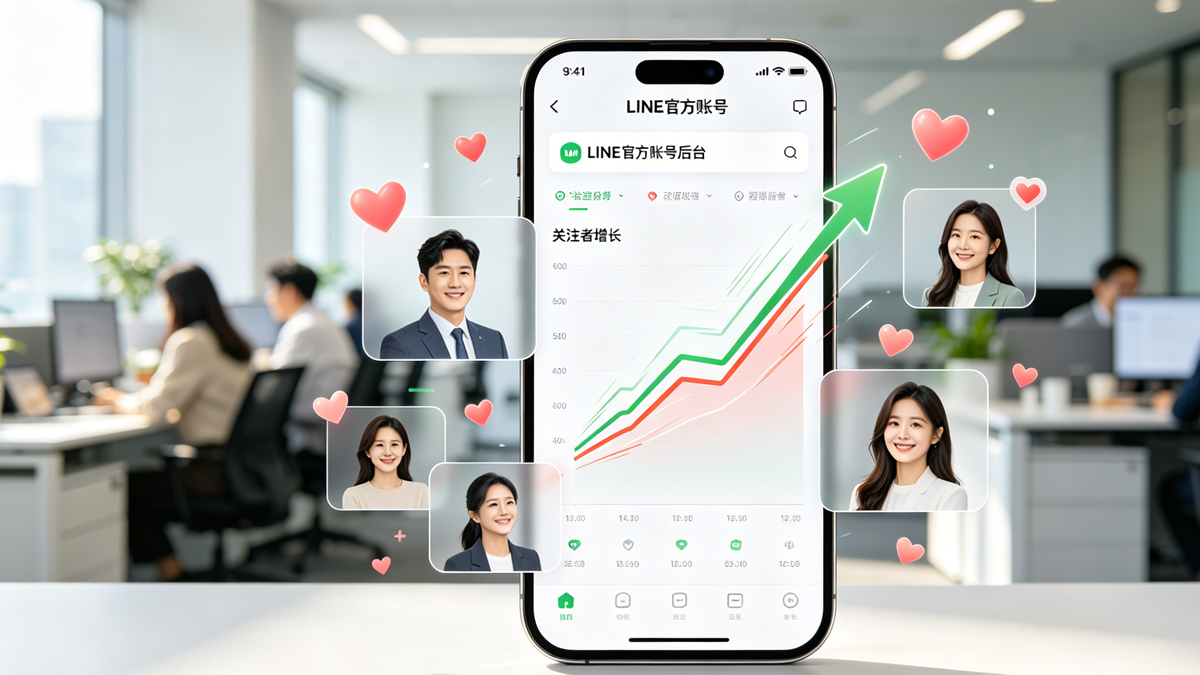
Community Is Not a Chat Room – It's an Incubator of Trust
Many people mistakenly believe that creating a LINE community means pulling people into a group and sending messages regularly. This mindset stays at the "broadcast" level, far from what true LINE community management methods actually entail. Real community management is the process of gradually transforming陌生 relationships into trusted ones, which requires systematic design and consistent warmth transmission.
When users join a LINE community, the underlying questions in their minds are: "What do I get here?" "Are these people trustworthy?" "Should I speak up?" If these three questions aren't properly addressed, members enter "lurking mode," and the community stagnates. Effective LINE community management methods must start from members' psychological needs, designing a clear path that transforms everyone from observers to participants, and then from participants to advocates.
Three Signs of a Dying Community – How Many Apply to You?
Sign 1: Complete Silence After Sending a Message
This is the most typical symptom of a dying community. After the manager sends a message, there's absolutely no reply, emoji, or follow-up. This means members have come to see the community as an "advertisement notification zone" rather than a "space for exchange." Turning this around requires tackling both content design and interaction mechanisms simultaneously.
Sign 2: Only a Fixed Few People Speak
If only 3% of members are always speaking while the other 97% choose silence, that community is experiencing fake engagement. Genuine LINE community management methods should pursue a broad "speech spectrum," enabling different types of members to find participation methods suited to them.
Sign 3: Member Churn Rate Is Gradually Increasing
Rising exit numbers are a clear signal of a community in poor health. This usually stems from three causes: content not matching expectations, excessive disturbance, and lack of belonging. Addressing these issues requires re-examining community positioning and member screening mechanisms rather than just applying band-aid fixes.
Five Dimensions to Build a High-Cohesion LINE Community
Dimension 1: Clear Community Positioning and Entry Barriers
A successful community must first answer "who we are" and "who we are not for." The vaguer the positioning, the messier the member mix, and the lower the discussion quality. Setting appropriate entry barriers (e.g., application forms, qualifying questions) not only doesn't reduce participation willingness but actually boosts members' sense of identification and commitment. This is a often-overlooked yet critical first step in LINE community management methods.
Dimension 2: Content Rhythm That Balances Intensity
Community content needs a rhythmic feel like music. Regular "light topics" (e.g., daily chat, fun polls) maintain daily warmth; irregular "heavy topics" (e.g., themed lectures, expert Q&As) create anticipation and memorable highlights. Managers shouldn't be the sole speakers but rather topic guides and atmosphere regulators.
Dimension 3: Establishing and Reinforcing Interaction Rituals
A sense of ritual is a catalyst for community cohesion. Weekly fixed "self-introduction time," "achievement sharing days," and "help-seeking days" help members develop participation habits. More importantly, managers should give immediate and positive feedback to every interaction, making members feel "seen." Once this positive cycle is established, the community can generate self-sustaining energy.
Dimension 4: Member Tiering and Exclusive Benefits
Manage members based on participation and contribution levels, granting different tiers of benefits and responsibilities. Active members can receive "Community Ambassador" titles, early trial access, or exclusive content; new members have guides to help them integrate. This stepped design stimulates members' motivation to level up while reducing the burden of managers having to individually care for everyone.
Dimension 5: Conflict Management and Atmosphere Preservation
Any community may encounter disagreements or emotional comments. Managers need to establish clear community guidelines and act as the "calm third party" when conflicts arise. Handling principles include: private communication over public accusations, focusing on facts rather than emotions, and providing concrete solutions over vague reassurances. Strong conflict resolution capability is a key skill that determines community longevity in LINE community management methods.
Community Acquisition Strategies to Rapidly Grow LINE Followers
Strategy 1: Filter High-Intent Members from Existing Customers
The most suitable community members are often customers who already have some brand awareness. Through post-purchase surveys, membership tier systems, or VIP invitations, prioritize bringing these high-value customers into the community. They not only have high participation willingness but also serve as positive role models, attracting other onlookers to proactively request joining.
Strategy 2: Content Previews and Community-Exclusive Benefits
Regularly release "community-exclusive content previews" on other platforms (e.g., IG, FB, website), such as "Next Wednesday, we'll share XX techniques exclusively within the community" or "Tonight at 9 PM, there's a flash Q&A in the community." This hunger marketing approach effectively converts followers into community applicants. At the same time, ensure enough exclusive benefits within the community to back up promises and avoid trust breakdown.
Strategy 3: Word-of-Mouth Fission from Existing Members
When the community genuinely delivers member value, existing members naturally become promoters. Design simple "invite a friend and both get rewards" mechanisms, and provide pre-written invitation copy and visual assets to make sharing effortless. However, be careful not to over-materialize referral rewards, as this can attract the wrong type of participants.
Advanced Community Management Mindset: From Control to Self-Organization
Top community managers gradually release control, guiding the community from being "other-organized" to "self-organizing." This means cultivating internal opinion leaders, encouraging members to initiate activities, and establishing rotational systems. When a community no longer relies on a single manager but is co-maintained by all members, it gains genuine vitality and resilience.
Three Keys to Long-Term Retention: Novelty, Achievement, and Belonging
Novelty comes from continuously iterating content and activities to avoid formulaic operations. Achievement stems from members gaining recognition, solving problems, or completing challenges within the community. Belonging is built on long-term interpersonal connections and shared experiences. These three feelings are indispensable – together, they form the intrinsic motivation for members to stay, rather than external drivers like message blasts or activity rewards.
Disclaimer: This article is for social media marketing learning and reference purposes only. Actual results may vary based on brand, industry, audience, and other factors; it is recommended to adapt strategies to your specific situation.