
Line Community Marketing Skills: Practical Strategies Combining Content Curation and Precision Targeting to Rapidly Increase Followers and Build a Vibrant Brand Community
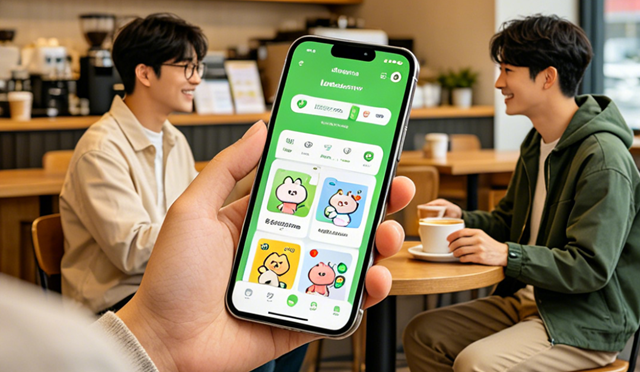
In the era of diverse social media, Line community marketing skills have become an essential core competency for brand owners. Unlike the one-way push of official accounts, Line communities (groups and timelines) offer a deeper space for two-way interaction. However, many brands struggle with managing their Line communities, often falling into the trap of "dead groups" or spam-filled feeds. This article shares a comprehensive methodology from strategic positioning to daily operations. These Line community marketing skills will help transform your community from a cost center into a brand's most valuable asset, ultimately achieving the goal of rapidly increasing followers.
Strategic Positioning: Evolving from a "Promo Group" to a "Community of Value"
Failed communities often start with incorrect positioning. If you view your Line community as a "free ad bulletin board," follower blocks and departures are only a matter of time. Top-tier Line community marketing skills emphasize that the core of a community is "connection," not "broadcasting." Brands should think about building a "community of value" around consumer interests and pain points. For instance, a baking supplies brand, instead of constantly posting discount codes, could create a "Baking Enthusiasts Exchange Group," sharing exclusive recipes weekly, solving baking problems, and even inviting instructors for short online talks. When a community consistently provides "social belonging" and "knowledge growth," the effect of rapidly increasing followers happens organically through word-of-mouth, without forced selling.
Content Curation: Creating a "Can't-Miss" Community Calendar
Content is the fuel of a community, but scattered posts fail to build anticipation. Effective Line community marketing skills involve establishing a "content curation calendar." Plan fixed weekly thematic units, such as "Monday Knowledge Charging Station," "Wednesday Members-Only Q&A," and "Friday Unboxing New Products." Through regular content output, you cultivate a sense of "ritual" among followers, letting them know when to open the community and fostering active participation habits. When content is consistent and anticipated, community activity naturally increases, and new members are more willing to join due to the rich content archive, creating a positive cycle that solidly builds rapid follower growth.
Enhancing Interaction with Diverse Media Formats
Plain text messages are easily lost in Line communities. It's advisable to diversify content formats, alternating between clear image cards, 15-second short videos, interactive polls, and voice messages. An engaging video or a beautifully designed infographic has significantly higher appeal and shareability than plain text. This is a Line community marketing skill many brands overlook, yet it is key to connecting with younger demographics.
Precision Targeting and Data Feedback: Making Every Post Hit the Mark
Community management cannot rely on intuition alone; data is the best navigator. Utilize Line's backend segmentation tagging function (e.g., new parents, beauty enthusiasts, tech geeks) to deliver tailored content to groups with different interests. Simultaneously, regularly review image click-through rates, comment counts, and link conversion rates to analyze which topics and formats are most popular. Feed these insights back into your next round of content curation, continuously optimizing your strategy. When followers feel the brand "always gets me," rapidly increasing followers becomes a natural outcome rather than an elusive goal.
Conclusion: Back to Basics, Building a Community with Heart
In summary, successful Line community management does not rely on massive advertising budgets, but on a brand's willingness to invest genuine time and effort in listening, responding, and nurturing. The Line community marketing skills shared in this article—from strategic positioning and content curation to data utilization—share a single core principle: treat followers as partners, not numbers. Only by building genuine trust and a sense of belonging can a community achieve long-term vitality and become the brand's strongest pillar of support.
Disclaimer: This article is for social media marketing learning reference only. Actual results may vary based on brand industry, resource allocation, and market conditions, and do not constitute a guarantee of performance.